

Why the Crate Is One of the Best Tools for Your New Dog

Bringing home a new dog is exciting, but it also comes with responsibility. One of the most essential tools you can introduce early on is the crate. While some people see crates as “cages,” in reality, they’re one of the kindest and most effective ways to give your dog structure, safety, and security.

Here’s why crate training is a must for your new dog

1. Helps Prevent Separation Anxiety

Dogs are social animals, but they also need to learn how to be alone. Without guidance, a new dog might become anxious when left alone—leading to barking, pacing, or even panic. A crate gives your dog a cozy, safe space to rest when you’re not around. Over time, this builds independence and confidence and helps prevent separation anxiety.

2. Stops Destructive Chewing Before It Starts

Puppies and new dogs are naturally curious and full of energy. If left unsupervised, they may chew shoes, furniture, or wires just because they don’t know any better. Crate time keeps them safe and prevents damage when you can’t actively supervise.

3. Creates Structure and Routine

Dogs thrive on predictability. A crate helps set a daily rhythm: when to rest, when to play, and when to go potty. This structure creates a calm, well-adjusted companion who understands what’s expected.

4. Speeds Up Potty Training

Dogs instinctively avoid going to the bathroom where they sleep. A properly sized crate encourages them to hold it until they’re taken outside, making house training quicker and more effective.

5. Makes Travel and Vet Visits Easier

If your dog is already comfortable in a crate, travel and vet stays become far less stressful. The crate feels familiar and safe, which helps ease anxiety in new environments.

Crate Training Is Not Punishment—It’s a Gift

When introduced properly, the crate becomes a positive, relaxing space your dog loves. It taps into their natural denning instincts and gives both of you more freedom—not less.

Simple Guide to Crate Training Your Dog

Crate training doesn’t have to be complicated. With a bit of consistency and patience, your dog will learn to love their crate as a safe and cozy space. Here’s how to start:

Step 1: Choose the Right Crate

  • The crate should be just big enough for your dog to stand up, turn around, and lie down comfortably.
  • For puppies, use a crate with a divider to adjust the space as they grow.
  • If your dog is having accidents, the crate may be too large.

Step 2: Make It Inviting

  • Place the crate in a quiet but social part of your home, like the living room.
  • Add a soft blanket and a couple of safe chew toys.
  • If your dog is chewing destructively or having accidents, temporarily remove bedding and toys to discourage that behavior.

Step 3: Use Food and Treats

  • Feed meals inside the crate or toss in treats to create a positive association.
  • Praise your dog when they go in willingly.
  • The goal is to make the crate feel rewarding—not restrictive.

Step 4: Create a Routine

  • Use the crate consistently for naps, bedtime, and calm downtime.
  • Always take your dog outside to potty right after crate time.
  • A reliable routine helps them feel secure and understand expectations.

Step 5: Ignore Whining (Unless It’s Potty-Related)

  • Don’t let your dog out while they’re whining—wait for quiet.
  • If you suspect they need to potty, calmly take them outside and return them to the crate afterward.

Step 6: Keep It Positive

  • Never use the crate as punishment.
  • Always end crate sessions on a good note with praise or a treat.
  • Stay calm and patient—your dog will learn with time.

Crate Time = Calm Time

When done right, crate training teaches your dog how to relax and feel safe when alone. It sets the foundation for a well-behaved, confident dog—and gives you peace of mind in the process

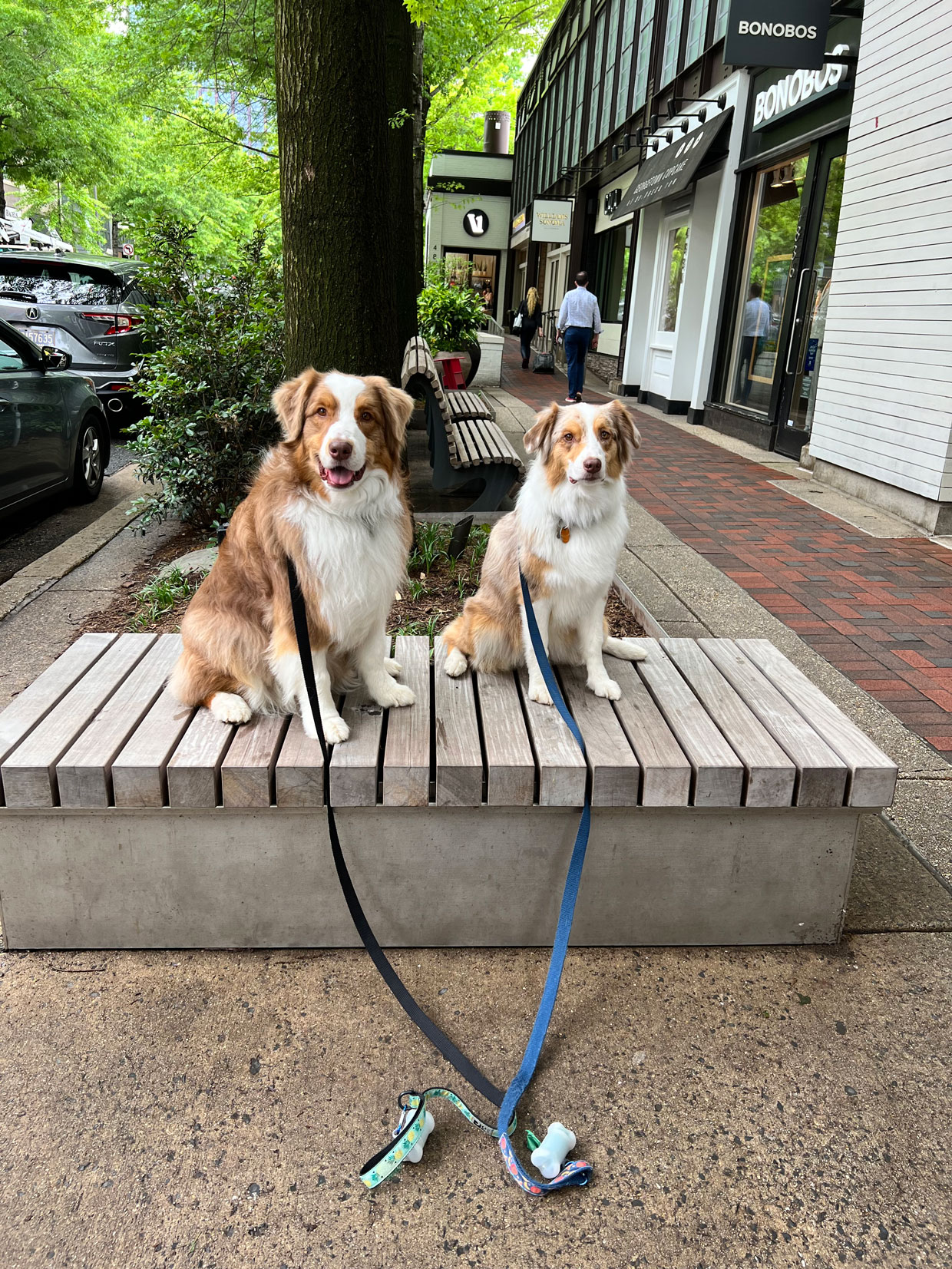
The First 5 Months With Your Puppy: Confidence Over Perfection

When you bring home a new puppy, it’s tempting to jump straight into obedience training. But here’s a better approach:

Focus the first five months on building your puppy’s confidence, routine, and relationship with you – not on perfecting obedience.

1. Crate & Potty Training First

Establishing structure early is essential.

Potty training prevents bad habits and builds mutual trust.

Crate training helps your puppy learn independence, rest, and calmness.

Both set the tone for a secure, well-behaved future dog.

Consistency and patience are key-routines are your best friend during this stage.

2. Confidence Before Commands

This is a sensitive period for your puppy-they’re learning how the world works.

Introduce new environments, sounds, people, and textures at a pace they can handle.

Encourage curiosity, but avoid overwhelming them.

Use positive experiences and calm exposure to build resilience.

A confident puppy is more likely to become a well-behaved adult.

3. Relationship Is Everything

Before asking your puppy to follow commands, earn their trust and attention.

Spend time playing, exploring, and setting gentle boundaries.

Teach them to look to you for guidance and safety.

The bond you build now makes obedience training much easier later on.

Connection before correction-always.

4. Obedience Can Wait

Of course, you can introduce basic commands like sit, come, and leash walking-but keep it light and fun.

Don’t expect robotic obedience during this stage.

Avoid over-correcting or pushing too hard too soon.

Let them make mistakes and learn at their own pace.

Focus on progress, not perfection.

Final Thoughts

The first five months are your chance to set the tone for a lifetime.

Build trust, shape confidence, and create routines. Obedience will come-when your puppy is ready. Don’t be afraid to set boundaries and expectations. 

New Dog Checklist: What to Have Ready Before Bringing Your Dog Home

Bringing a new dog home is an exciting milestone, and having the right items ready can help ease their transition and build a strong foundation. Start with the essentials: a properly sized crate to create a safe, cozy space, a comfortable dog bed, food and water bowls, and high-quality dog food. Make sure you have a well-fitted collar with ID tags, a sturdy leash, and treats for training and bonding. It’s also helpful to have cleaning supplies on hand, including poop bags and an enzymatic cleaner for any accidents. One especially comforting item—particularly for puppies—is a blanket that smells like their littermates or previous environment. This familiar scent can help reduce anxiety and make the transition into a new home feel a little less overwhelming.

Home Setup

  • Crate (size-appropriate and comfortable)
  • Dog bed (washable, fits inside the crate if needed)
  • Designated potty area, I do not recommend potty pads. 
  • Blanket with familiar scent (from littermates, previous home, or shelter)

Food & Water

  • High-quality dog food (match what they’ve been eating; transition slowly if needed)
  • Food and water bowls 
  • Training treats (high value and low value) 

Grooming & Clean-Up

  • Poop bags
  • Enzymatic stain and odor remover
  • Brush or comb (based on coat type)
  • Dog shampoo 
  • Nail clippers or grinder

Training & Enrichment

  • Leash
  • Collar with ID tags (include name and contact info)
  • Chew toys (to help with teething and boredom)
  • Treat pouch (for reward-based training)

Health & Documentation

  • Schedule a vet appointment within the first few days
  • Vaccination and medical records (request from previous owner or shelter)
  • Flea/tick and heartworm prevention
  • Pet insurance (optional, but I strongly recommend it)

Emotional Preparation

  • Flexible schedule or time off to help them settle
  • Quiet, safe area for them to decompress
  • Lots of patience, consistency, and calm energy
